 English (Australia)
 Dansk
Dansk Deutsch
 English
 English (UK)
 Español
 Francais
 Italiano
 Magyar
 Nederlands
 Norsk
Norsk Polski
 Português (Brasil)
 Pycckui
 Suomi
Suomi Svenska
 עברית
עברית 日本语
日本语 简体中文
简体中文 繁體中文
繁體中文 한국어
한국어
Does cat 9 cable exist?
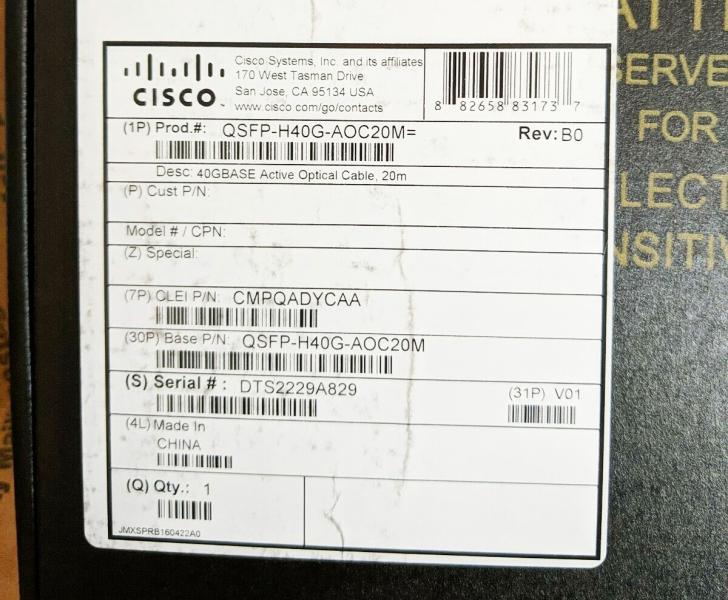
In the world of networking and data transmission, the evolution of cable technology has been a critical factor in enhancing speed, efficiency, and reliability. Ethernet cables, in particular, have undergone significant advancements over the years, with each new category offering improved performance metrics. When discussing Ethernet cables, terms like Cat5, Cat5e, Cat6, Cat6a, and Cat7 are commonly encountered. These categories are well-established and widely used in various networking setups. However, the notion of a "Cat 9" cable is something that often sparks curiosity and prompts questions about its existence and potential capabilities.
As of my knowledge cutoff in October 2023, there is no officially recognized "Cat 9" Ethernet cable standard. The progression of Ethernet cable categories is governed by standards set by organizations such as the Institute of Electrical and Electronics Engineers (IEEE) and the Telecommunications Industry Association (TIA). These standards define the specifications for each category, including aspects such as data transmission speed, frequency, and shielding.
The absence of a Cat 9 cable can be attributed to several factors. Firstly, the current Ethernet cable categories, particularly Cat6, Cat6a, and Cat7, already offer high-performance capabilities that meet the demands of most modern networking applications. For instance, Cat6 cables can support data transfer speeds of up to 10 Gbps over a distance of 55 meters, while Cat6a extends this capability to 100 meters. Cat7 cables, with additional shielding and higher frequency support, can also handle 10 Gbps speeds, often with even greater reliability and reduced interference.
Given these existing capabilities, the need for a Cat 9 cable may not be immediately pressing. The development of new cable categories typically occurs in response to emerging technological needs or limitations in existing standards. As of now, the current Ethernet cable categories are capable of supporting the bandwidth and speed requirements of most consumer and business applications, including high-definition video streaming, online gaming, and large-scale data transfers.
However, the landscape of technology is ever-evolving. As new technologies and applications emerge, there may eventually be a demand for even higher data transfer speeds and more robust cable performance. For example, the increasing adoption of technologies such as virtual reality, augmented reality, and the Internet of Things (IoT) could drive the need for more advanced cabling solutions. Additionally, the expansion of data centers and the growing reliance on cloud computing may require infrastructure capable of handling significantly higher data loads.
In anticipation of future needs, research and development in the field of networking continue to explore potential advancements in cable technology. While a Cat 9 cable is not currently available, it is conceivable that future innovations could lead to the introduction of new cable categories that offer even greater performance metrics. These advancements could involve improvements in materials, design, and manufacturing processes to achieve higher data throughput, reduced latency, and enhanced durability.
For now, those seeking to optimize their network infrastructure should focus on selecting the appropriate cable category based on their specific requirements. Factors to consider include the desired data transfer speed, the distance over which the cable will be run, and the level of electromagnetic interference present in the environment. For most home and small business networks, Cat6 or Cat6a cables are often sufficient, providing a balance of performance and cost-effectiveness.
In more demanding scenarios, such as large enterprises or data centers, Cat7 or even fiber optic cables may be necessary to achieve the desired level of performance and reliability. Fiber optic cables, in particular, offer unparalleled speed and bandwidth capabilities, making them an ideal choice for backbone connections and long-distance data transmission.
Ultimately, while the concept of a Cat 9 cable is intriguing, it is not a reality as of the present time. Networking professionals and consumers alike should remain informed about the latest developments in cable technology and be prepared to adapt their infrastructure as new solutions become available. By staying abreast of industry trends and advancements, individuals and organizations can ensure that their network infrastructure remains capable of meeting current and future demands.


